 Serving All Phoenix, Arizona Areas
 100% Satisfaction Guarantee

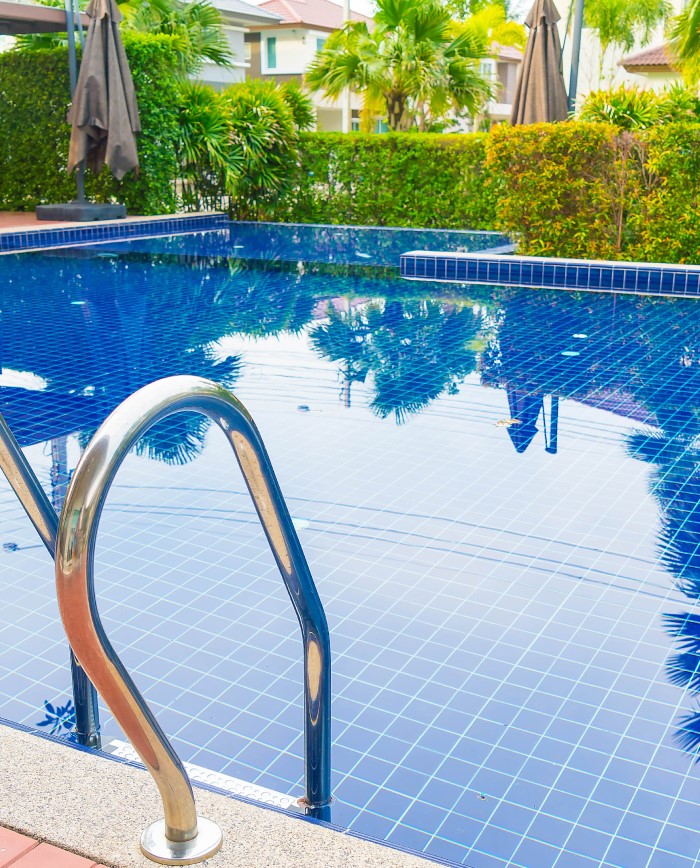
Salt cell repair in Chandler often involves addressing calcium buildup on the cell plates, which reduces chlorine output and salt cell performance over time.
At Roadrunner Pool Service, we help you understand how hard water and heat contribute to this issue and guide you in deciding when inspection, descaling, or replacement is necessary to maintain your system’s function.
Service Standards to Discuss
-
Inspect the cell for calcium deposits that reduce flow.
-
Test chlorine output regularly to identify diminishing production levels.
-
Avoid using harsh cleaners that can damage the cell’s plates.
-
Recognize that filtration removes debris but does not lower calcium hardness.
What to Know About Salt Cell Repair
We see that a common distinction is between calcium scaling on the cell plates and normal wear of the diaphragm. Calcium buildup creates a crust that blocks the electric current, reducing chlorine output, whereas diaphragm fatigue lowers efficiency without visible scaling.
Recognizing which condition is present guides whether we clean or replace the cell, affecting cost and downtime. The decision also depends on water‑chemistry trends and how often the pool is used.
Keyword Pool
We use terms such as salt cell repair, salt chlorinator repair, salt system service, salt cell replacement, and salt‑water pool to describe the range of work needed to keep a salt‑generated chlorine system operating properly.
Over time calcium deposits can coat the cell plates, dropping chlorine output; cleaning restores performance, while severe buildup may require full cell replacement.
What Our Salt Cell Repair Includes
We begin by measuring the cell’s voltage and chlorine output, noting any drop that often signals calcium scale buildup.
In Chandler’s hard water and intense summer heat, minerals precipitate on the plates, reducing efficiency and sometimes causing low output.
We record the cell’s lifespan, operating hours, and recent water‑balance records because these factors dictate whether we can safely descale the unit or must recommend replacement—a limitation when scaling is severe.
General pool maintenance, such as balanced pH and regular filter cleaning, helps prevent scaling, but our certified technicians follow specific descaling procedures verified in our Salt Cell Repair service.
Questions Before Booking
Why does my salt cell produce less chlorine after a few months?
Over time mineral deposits, especially calcium, coat the cell plates, reducing the electro‑chlorination reaction and lowering output.
How can I tell if calcium buildup is affecting my salt cell’s efficiency?
If chlorine levels drop despite a correct set point, or you notice a white film on the cell, schedule a repair with us.
Why Choose Roadrunner
Roadrunner Pool Service has served the Phoenix Valley for over 24 years.
Our certified, background-checked technicians follow Arizona Health Code and manufacturer specifications.
We provide weekly pool service, green pool cleanup, acid wash, pool chemical service, pool equipment repair, salt cell repair, and commercial pool service.
We are CPO certified.
We offer free quotes for residential and commercial pool owners.
Schedule Your Salt Cell Repair
Request a free pool service quote from Roadrunner Pool Service. Call 602-460-2221 or contact our team to discuss your pool and service location.
Hours: Monday–Friday, 7:00 AM–5:00 PM.
Service area: Phoenix, Scottsdale, Tempe, Mesa, Chandler, Glendale, Peoria, Surprise, Ahwatukee, Cave Creek, Paradise Valley, Sun City, and surrounding Phoenix Valley communities.
Get Started
Fill out form below